August can feel like a long stretch of summer, especially if you’re juggling work, parenting, or home education planning. But it’s also the perfect month to slow down, head outside, and reconnect with nature through simple, playful activities that support your child’s wellbeing and learning — without screens or worksheets.
To celebrate National Play Day (6th August) and Love Parks Week (ending 3rd August), here are eight easy, low-prep outdoor play ideas you can try anywhere, from your back garden to a local green space. Each one is sensory-rich, screen-light, and rooted in curiosity. No special equipment needed, just a bit of time, space, and the freedom to follow your child’s lead.
August Awareness Days at a Glance
- Love Parks Week: ends 2nd August
- National Playday: 5th August
- National Relaxation Day: 15th August
- Geocaching Day: 15th August
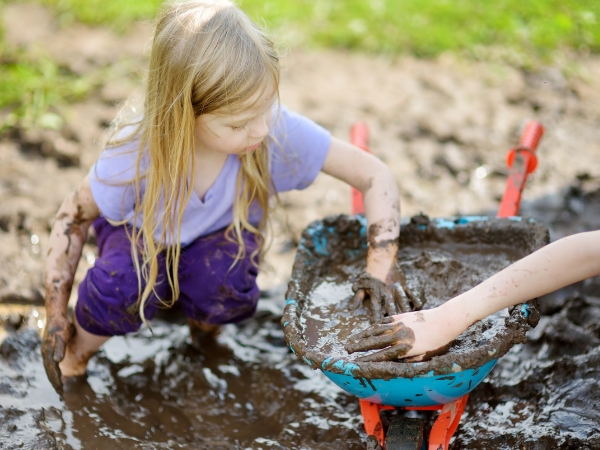
1. Build a Mud Kitchen (or Sand Café)
Great for: Role-play, fine motor skills, creativity
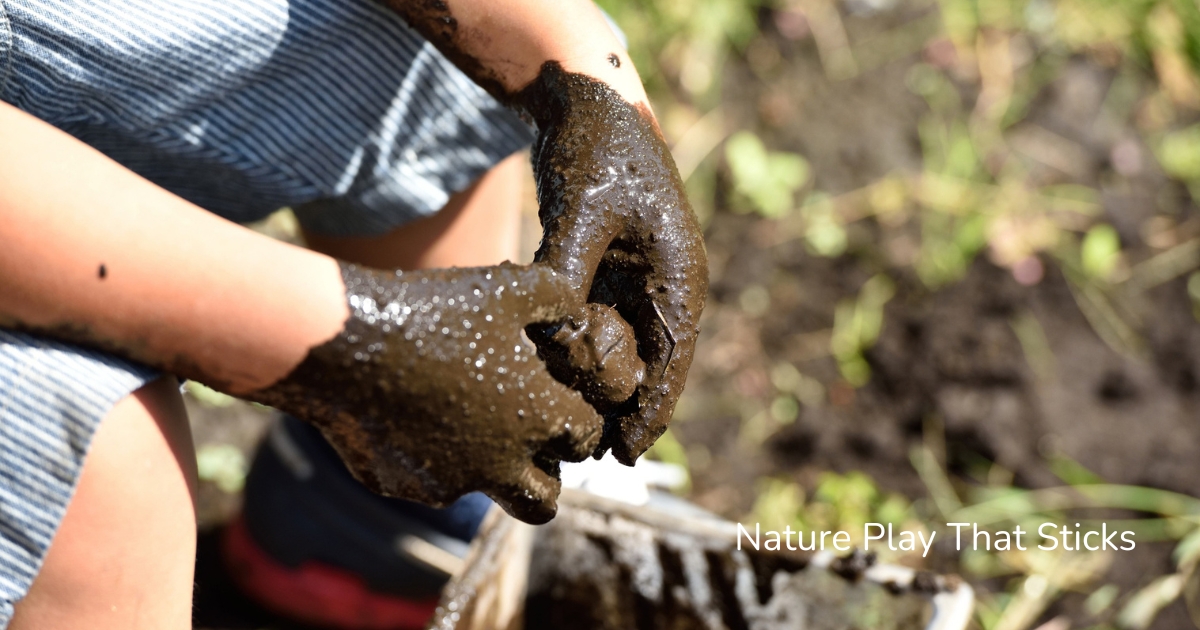
Set up a mud or sand kitchen using old pots, spoons, containers, and nature bits like herbs, petals, leaves, or pinecones. Your child can cook up potions, soups, or pretend meals.
Sensory alternative: For children who avoid messy play, use dry natural materials (gravel, shells, seed pods) and keep hand wipes nearby so they can opt in and out as they like.
2. Try a Park-Based Treasure Hunt
Great for: Observation skills, memory, movement
Use your local park or green space for a simple scavenger hunt. You can draw or write a few things to spot:
- A feather
- Something yellow
- A butterfly
- Something that makes a sound
Add a challenge: Take a photo of each find or draw it in a nature notebook. Try swapping roles and let your child make the list for you next time.
3. Create a Sensory Nature Trail
Great for: Sensory integration, calm exploration, self-regulation
Invite your child to walk barefoot on grass, touch different tree barks, smell herbs, or listen to bird sounds. You can design a “trail” in your garden or go on a mindful walk using the five senses:
- What can you see?
- What can you hear?
- What can you feel?
- What can you smell?
- What can you (safely) taste?
Tip for neurodivergent learners: Have ear defenders or sunglasses on hand and allow your child to lead at their own pace.
4. Paint with Nature Tools
Great for: Mark-making, creativity, hand strength
Swap paintbrushes for sticks, leaves, seed heads, or feathers. Dip them in mud, watercolours, or chalk paint and explore shapes and textures. You can paint on stone slabs, cardboard, or even leaves.
5. Make a Stick Den or Bug Hotel
Great for: Construction play, STEM learning, teamwork
Use fallen branches, bark, or plant stems to build a mini den for woodland creatures or create a bug hotel using bricks, bamboo tubes, and dry grass. Encourage your child to think like an architect: Who will live there? What do they need?
Bonus challenge: Add a name sign or story about the tiny guests.
6. Go Geocaching or Create Your Own Hunt
Great for: Navigation, problem-solving, adventure
Celebrate Geocaching Day (third Saturday in August — 15th August 2026) by trying this global treasure hunt using a phone app — or create your own nature-themed version with clues and surprises in your garden.
Ideas for homemade caches:
A riddle that leads to a tree or favourite nature spot
A pinecone with a message tucked inside
A mini notebook to leave kind words
7. Create a Nature Obstacle Course
Great for: Gross motor skills, confidence, collaboration
Use logs, rocks, sticks, and rope to create a safe course to jump, balance, crawl, or stretch. You can adapt this for all ages and it’s a brilliant way to support children who need movement to regulate.
Extra tip: Ask your child to design their own course and explain the rules — it supports problem-solving and sequencing skills.
8. Set Up a Relaxation Station Outdoors
Great for: Rest, emotional regulation, mindfulness
Even play needs pauses. On National Relaxation Day (15th August), try creating a calming corner outside — a hammock, blanket fort, or shady tent with books, drawing tools, or calming jars.
Use this time to:
Write or draw what they notice
Lie back and cloud watch
Tell a nature story together
Listen to birdsong
Why Nature Play Matters
Nature play helps children build confidence, reduce anxiety, and develop essential life skills, from collaboration and resilience to creativity and curiosity. It’s not a break from learning — it is learning.
Whether your child is neurodivergent, highly active, or reluctant to play outdoors, nature offers freedom and flexibility that many children crave. When they’re supported to explore in their own way and time, that’s when the real magic happens.
Take It Further
If you love nature-based, screen-light learning and want to keep that spark going all year long — without the prep — our Nature Curious Boxes and printable activity packs are made just for you.
They’re designed with curious kids and neurodivergent families in mind, offering gentle, open-ended ways to connect with the natural world.
Try one this summer and share how you’re making space for nature play this August.