
July bursts with colour, sound, and life, making it the perfect month to step outside and dive into the wonders of the natural world. Whether you’re a home-educating parent or simply seeking joyful, screen-free ways to fill the summer days, nature offers a world of curiosity and calm.
At Buttercup, we’ve gathered ten simple, sensory-rich activities inspired by July’s national awareness days. These nature invites are low-prep and made for little hands and curious minds. No special gear needed. Just your time, your presence, and a splash of imagination.
1. Spot a Swift Before They Fly Away
Swift Awareness Week: Early July
Look up at sunset — the skies are alive! Swifts are among the fastest birds in the UK and spend nearly their entire lives on the wing, even sleeping mid-flight.
Try this: Head out in the golden hour and scan the skies. Can your child spot any screeching, darting silhouettes overhead? Time a five-minute swift watch. Then, snuggle up and invent a bedtime story about a brave young swift flying over oceans and cities.
2. Create a Mini Meadow Safari
National Meadows Day: 4 July 2026
Lush grasses, dancing butterflies, chirping crickets. Meadows are like nature’s treasure hunts.
Top tip: Lay down in the grass and look closely. Take along a nature journal or a DIY scavenger list. What can you find? A beetle? A blue flower? Encourage tally marks, sketches, or whispered descriptions of what they see.
3. Go on a Bee-Friendly Flower Hunt
Don’t Step on a Bee Day: 10 July
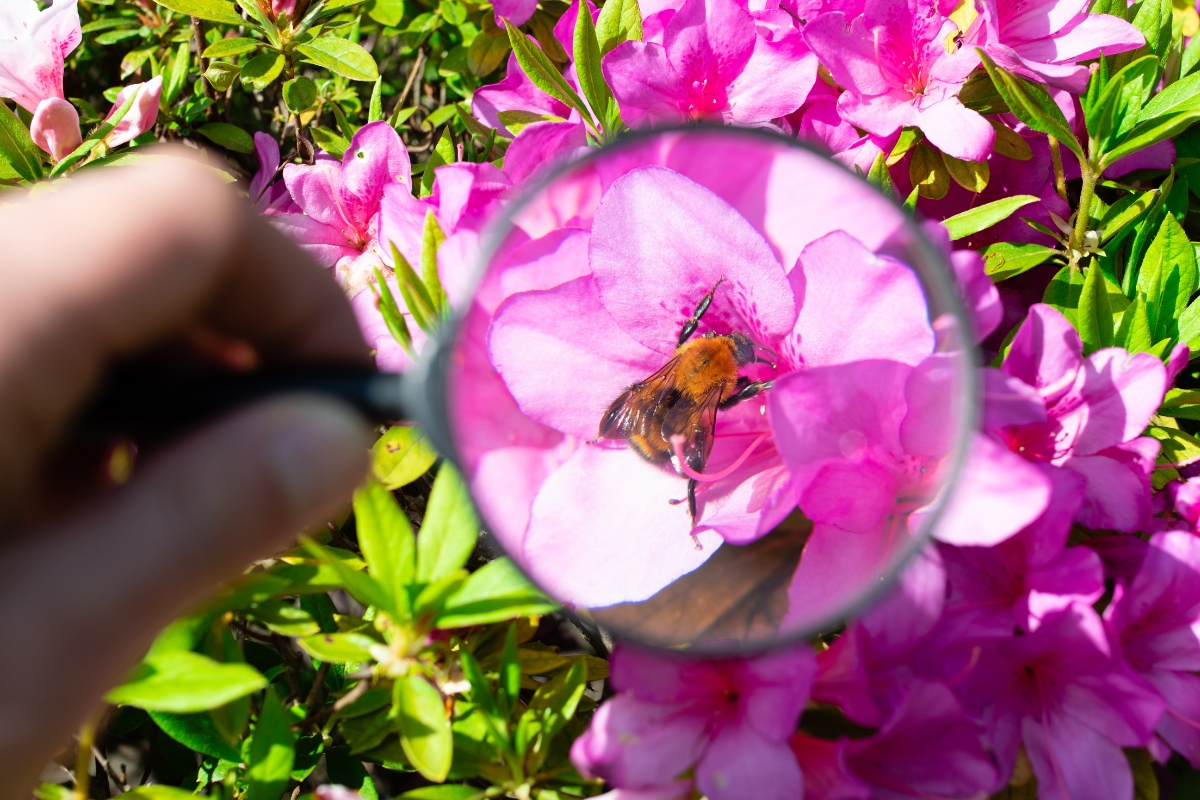
Bees are buzzing in July! They’re pollinating, dancing between blooms, and quietly keeping ecosystems alive.
Activity idea: Visit a local wild patch or garden and look for different bees. Can your child tell a bumblebee from a honeybee? Sketch or photograph them.
Bonus: Make a bee bath with a shallow dish, water, and pebbles. It’s a small act of kindness for tired wings.
4. Do a Rock Safari and Learn Local Geology
International Rock Day: 13 July
Even rocks tell stories — from river pebbles to fossil-filled slabs.
Extension idea: Collect five different rocks and describe their weight, texture, colour. Start a rock journal or decorate a kindness rock to hide in your local park. It’s science, art, and kindness in one.
5. Celebrate Snakes — Safely!
World Snake Day: 16 July
Adders may be elusive, but snakes deserve a place in our nature story. They’re part of our wild web too.
Creative activity: Craft a salt dough adder and paint its iconic zigzag. Where might it slither? What does it eat? Use the opportunity to introduce food chains or design a habitat diorama.
6. Hunt for Dragonflies by Water
Dragonfly Week: Saturday 4 July to Sunday 12 July 2026
Near water’s edge, summer shimmers. Dragonflies and damselflies dart and glisten like living jewels.
Try this: Bring a sketchpad to a pond and watch quietly. Can your child spot the difference between a dragonfly and a damselfly? Describe the colours, the wings, the dance above the reeds. Let their drawings tell a story of water magic.
7. Explore Moth Magic at Dusk
National Moth Week: July 18-26th
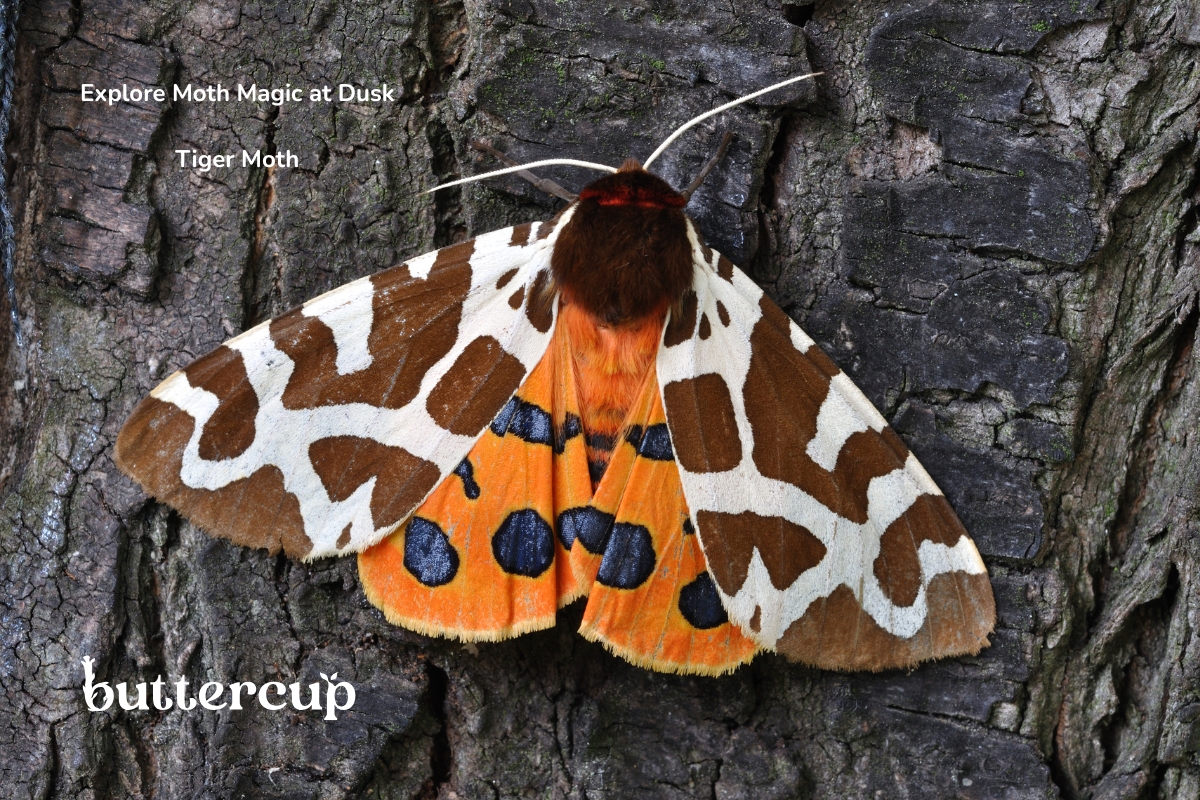
Forget the myth — moths are stunning. Some even rival butterflies in colour and charm.
How to do it: Hang a white sheet and shine a torch after dark. Wait, watch, whisper. What comes fluttering in? Keep a moth tally or colour in some favourites from a simple ID guide. Calm, sensory, and slightly mysterious.
8. Join the Big Seaweed Search (Even if You’re Inland)
Big Seaweed Search: 25th July – 2nd August
Seaweed isn’t just beach clutter — it’s vital, fascinating, and fun to explore, wherever you are.
Try this at home: Collect natural materials — twigs, leaves, grasses — and arrange them into seaweed shapes on paper. Glue them down and invent your own “species” with silly names and superhero powers.pictures.
9. Pause to Appreciate Parks
Love Parks Week: 24 July to 2 August.
Parks are everyday wild — pockets of wonder tucked into our towns and lives.
Simple prompt: Explore a new park or revisit a forgotten favourite. Let your child be the leader. Take a “5 Senses Walk” and record what you notice. Sit quietly, sketch, climb a tree. Celebrate slow noticing.
10. Make a Wildlife Ranger Kit
World Rangers Day: 31 July
Invite your child to be a guardian of the wild, just for a day.
Make and explore: Craft a junior ranger badge, binoculars from toilet rolls, and a nature notebook. Head out to a green space and “patrol” for wildlife signs. Discuss what it means to care for the Earth, one small act at a time. Be aware that this day also commemorates rangers killed or injured in the line of duty, so not suitable for younger children.
Why It Matters
From bees on blooms to dragonflies over water, these tiny moments are where learning lives. Nature teaches gently, joyfully, and deeply with no whiteboard or ipad needed.
By connecting with wildlife through stories, sketches, and hands-on fun, we nurture not just curiosity but care. We raise children who know the world is alive, and that they are part of it.
Want to Keep Going?
Buttercup’s Nature Curious Boxes bring this kind of joyful learning to your doorstep year-round. Each box is packed with seasonal wildlife activities designed for UK children, with sensory-friendly, no-fuss resources that meet you where you are.
Explore the latest box or download a free scavenger hunt here.
Further reading
https://www.rspb.org.uk/whats-happening/swift-awareness-week
https://www.plantlife.org.uk/events/national-meadows-day-2026
https://british-dragonflies.org.uk/what-we-do/outreach-projects/dragonfly-week
https://www.mcsuk.org/what-you-can-do/volunteering/big-seaweed-search
https://www.keepbritaintidy.org/professional-services/love-parks-week-campaign